Anti Civil Rights

Racial discrimination was still persistent in the United States in the 1960s, and it seen in these events.
Bloody Sunday
On February 17, protester Jimmy Lee Jackson was fatally shot by an Alabama state trooper. In response, six hundred marchers assembled in Selma on Sunday, March 7. Led by John Lewis and other SNCC and SCLC activists, they were to cross the Edmund Pettus Bridge over the Alabama River to Montgomery. Before going over the bridge, the activists were told to turn around by Alabama State troopers and local police. When the protesters refused, the officers shot tear gas and went beating the nonviolent protesters with clubs. As a result of this, 50 people were hospitalized and this event were to be known as "Bloody Sunday".

Martin Luther King called for a second march on March 9 but it also got turned around. On March 21, the last successful march began with federal protection.
Four Little Girls
On September 16th, 1963, Addie Mae Collins, Cynthia Wesley, Carole Robertson, and Carol Denise McNair were killed when the KKK bombed the Sixteenth Street Baptist Church in Birmingham, Alabama. The four African-American girls were killed during church services and at least 14 others were injured in the explosion. These KKK members were eventually convicted of murder for the bombing.

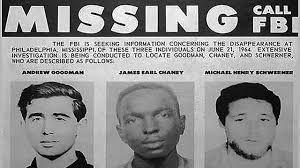
Three Civil Workers
Three Civil Rights activists known as Andrew Goodman, Michael Schwerner, and James Chaney were abducted and murdered in Neshoba County, Mississippi in June of 1964. They had been working with the Freedom Summer campaign to attempt to help register African Americans in Mississippi to vote. Their murder sparked a national outrage and an extensive federal investigation.


Comments